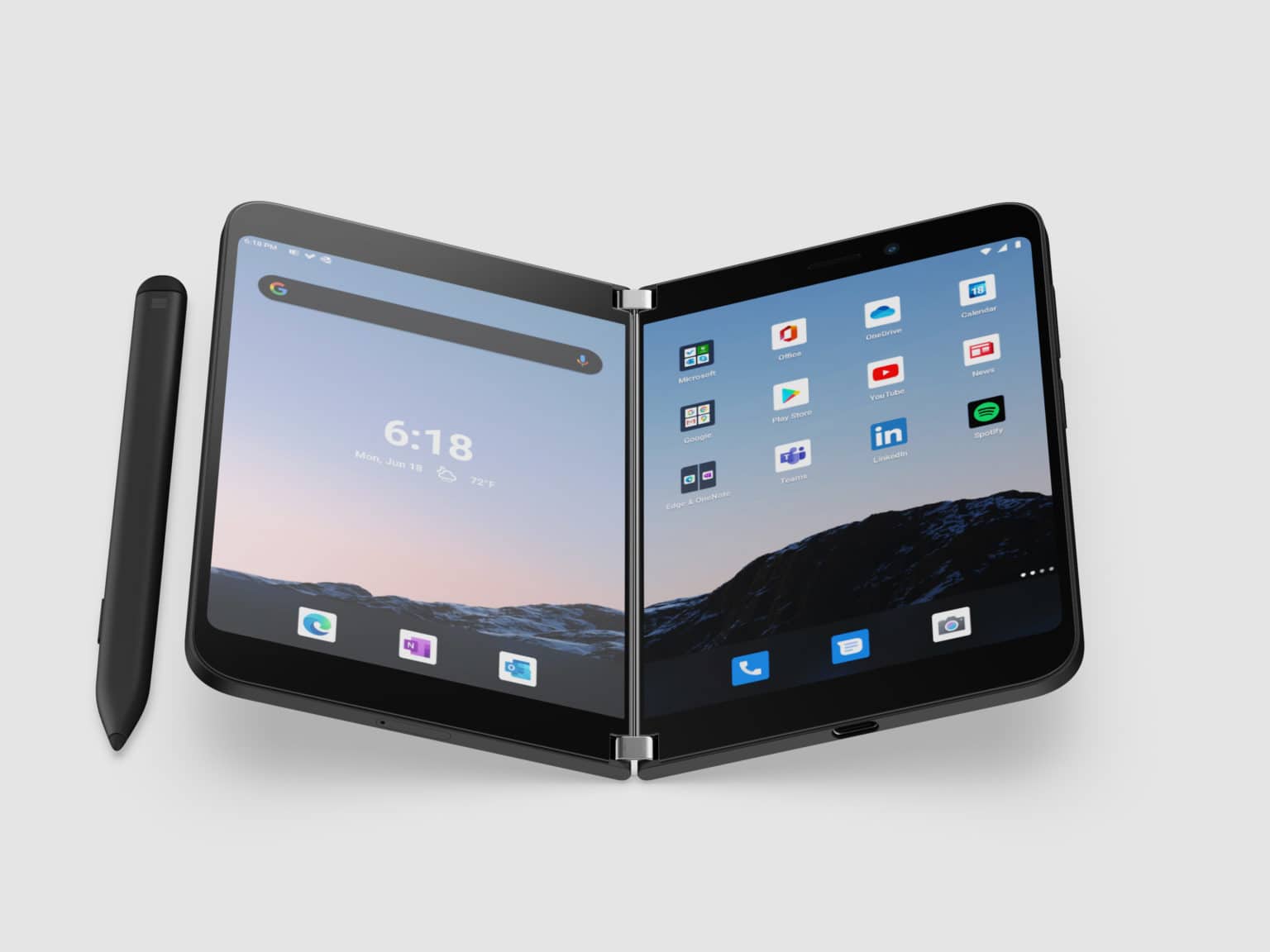
Over the past five years, about two-thirds (64%) of telecoms and technology firms have had a new rival enter their market with innovative products or services, according to a report from the Economist Intelligence Unit, sponsored by SAS. Many handset providers cite the entry of Apple into the mobile phone market as a prominent example. Most of those respondents who had not faced innovative new competitors entering their market expect this to happen soon. Just 8% of firms polled for this report don't believe this will happen to them.
Not only do executives worry about the entry of new rivals, but about eight out of ten expect both the complexity and pace of R&D within their firms to increase either moderately or substantially over the next two years. Over the same time period, one-half expect to see product lifecycles shorten further, adding increased pressure to the innovation process.
Partly in response to this, a rising number of telecoms firms are embracing the principles of so-called "open innovation", which engages suppliers, partners, academia and - most of all - customers in the innovation process. Three-quarters (74%) of those polled for this report agree that the way they innovate today is significantly different from how they approached innovation a decade ago.
"Telecoms firms are under considerable pressure to innovate in a rapidly changing technological landscape," says James Watson, the report's editor. "Involving more third parties and, especially, customers in the R&D process is increasingly being seen as a means of fighting back, but this in turn also brings new challenges for organisations."
Ian Manocha, Managing Director of SAS UK, goes on to say: “With new players entering the industry, telecommunications companies are under pressure to be innovative and thus remain competitive. This research highlights the importance of engaging with people outside the organisation as part of that process. Gaining customer insight is particularly necessary. But, as the number of stakeholders in the innovation process rises, success will depend on the ability of the innovating firm to be able to obtain the right insight, so as to make the right decisions to drive their innovation agenda forward.”
The report also said that telecoms firms plan to deliver more products than before, with shorter lifecycles. Among the survey respondents, about one in three expect to launch between seven and 20 new products in the next two years, up from about one in five over the past two years. At the same time, the majority of respondents (about 80%) expect the complexity, cost and pace of R&D to increase over the next two years. On top of this, one-half expect product lifecycles will continue to shorten, with one-fifth of respondents think that they will shrink by at least 30%. Accordingly, nearly half of all respondents (46%) see the pace of technological change as the number one innovation challenge facing firms.
Firms are also increasingly adopting the principles of so-called "open innovation". Companies polled for this report are undergoing a transition towards a more open means of innovation, which seeks to engage suppliers, corporate partners, academia and customers in the R&D process. Over the past two years, firms typically partnered with two to five other organisations. Looking ahead, the number of those who won’t partner will decline (from 10% today to less than 6% two years from now), while the proportion of those partnering with more than five other organisations will increase (from 23% to 35%).
However, they also admitted that for most companies, embracing a more open approach brings major organisational challenges. Working more closely with a greater number of third parties obviously brings with it greater logistical and managerial challenges. It also brings tougher decisions about whether to make, buy or collaborate on new technologies. Furthermore, the rapidly changing telecoms marketplace is also uprooting and replacing business models. Just 9% of firms polled for this report say they have not changed their business model and don't plan to do so.
The free report (pdf file, 26 pages) can be downloaded from the Economist Intelligence Unit website.
Posted to the site on 25th April 2008
All rights reserved. Reproduction of this website,in whole or in part, in any form or medium without express written permission from cellular-news is prohibited.
Your use of this website is subject to legal terms - Site Map.