Cellular Handsets and VoFi Drive a Revolution in Wi-Fi Hot Spot
Worldwide Wi-Fi hotspots will grow to over 170,000 venues connected by the
end of 2007 based on new research conducted by MultiMedia Intelligence. In
addition, branded venues such as Starbucks and McDonalds are becoming
increasingly important in driving incremental usage. While Europe remains the
leading region in terms of hotspot footprint, with 42 percent of worldwide
locations, North America leads in worldwide usage, with 53 percent of connects
in 2007.
According to MultiMedia Intelligence, the hotspot market is on the verge of a
revolution-a revolution being driven by new users, new access devices, and new
applications. In the near future, hotspots will not be just for business
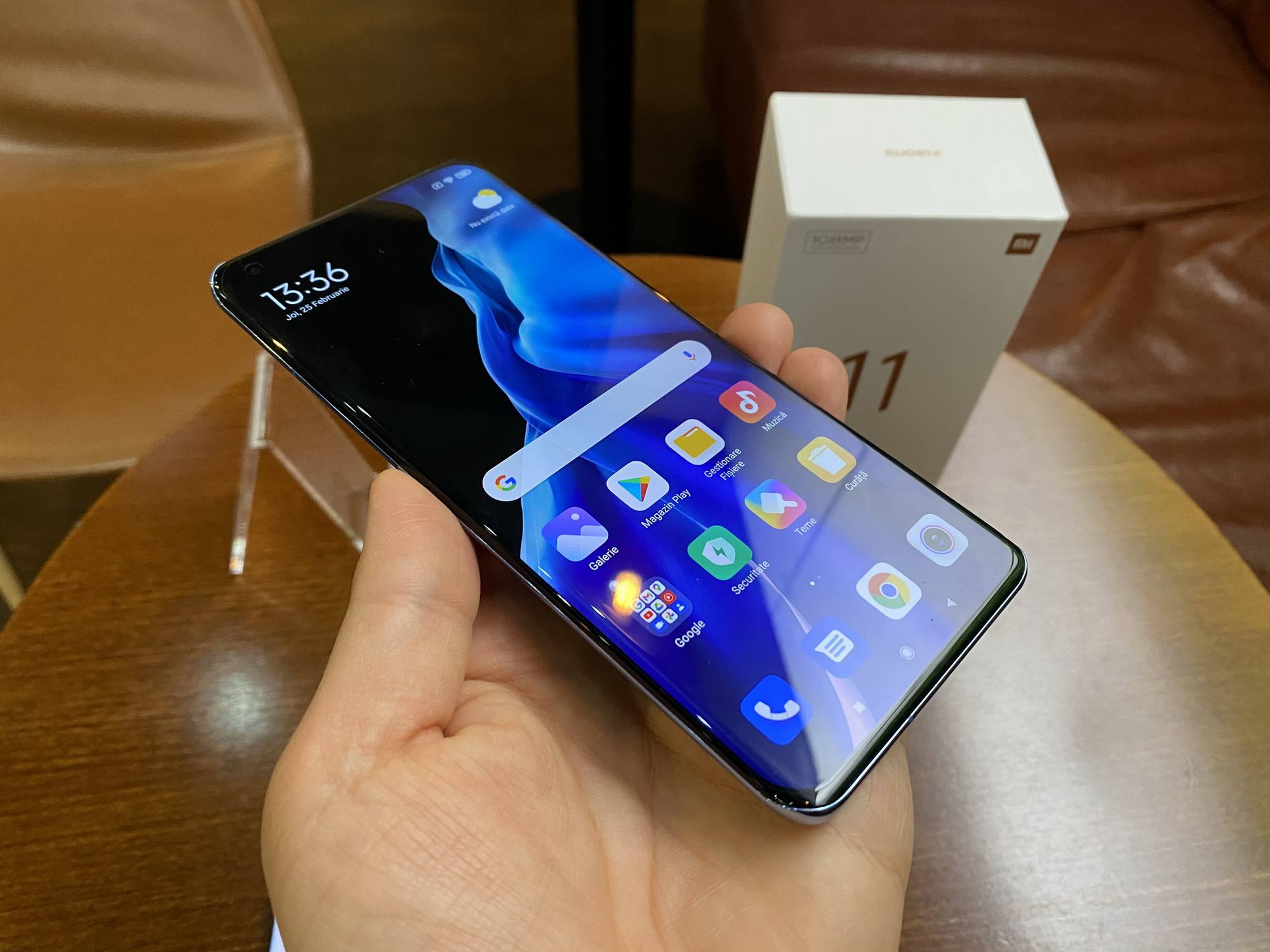
travelers any more. The increasing availability of dual-mode handsets in 2008
coupled with the anticipated introduction of lower priced access fees, will
result in the hotspot user base broadening to include consumers.
The beginning of a trend toward consumer usage is already evident; with
consumers accounting for nearly 25 percent of connects in 2007, up from
approximately 15 percent in 2006. This trend is anticipated to accelerate going
forward.
While revenue per connect is expected to fall significantly for cafes and
similar venues, we believe revenues will be sustained by access fees in full
service hotels and airports, which together will comprise over 90 percent of
access revenues. To help offset the lower ARPU of consumers, Hotspot operators
are also beginning to explore new revenue opportunities including back office
services, application/content offerings, and advertising to bolster revenues
generated from access fees and roaming partnerships.
Recent research by MultiMedia Intelligence has identified the following:
- In 2007, handheld only accounted for 10 percent of connects. However, the
percentage of handheld connects will increase in accordance with increasing
installed base of handheld Wi-Fi enabled devices and the resulting increasing
consumer usage. Handheld connects are expected to double as a % of total
connects annually for the next few years.
- Despite pricing pressure created by consumer-oriented offerings and the
competitive threat posed by 3G and WiMAX, MMI foresees robust growth in hotspot
revenues.
- Roaming providers drive significant traffic to hotspot venues, as well as
linking individual hotspot operators and branded resellers to promote mass
market usage in their locations. Leading roaming providers include companies
such as Boingo, iPass, Trustive and WeRoam. Among the leading hotspot operators
are KT Nespot, The Cloud, AT&T, Sprint, and WayPort.
- Market saturation has already largely occurred in Tier 1 venues, and by the
middle of the forecast period it is anticipated that Tier 2 venues will be
approaching saturation, at least among those venues that are perceived to be
potentially profitable. Cafés are projected to have the highest unit growth over
the forecast period whereas public venues and RV locations are projected to have
the highest % increase.
- While a smaller hotspot market presently compared to Europe and North
America, Asia Pacific will experience the greatest growth rates over the
forecast period. Asia Pacific has a slightly higher dominance of cafe deployment
compared to other regions.
- The majority of hotspot usage continues to be pay-as-you-go. While growth in
subscriptions or prepaid cards has been slow to date, MMI does believe that
subscription revenue will increase nearly tenfold over the forecast period.
Posted to the site on 24th October 2007