How Apple Wins Markets and Influences Chips
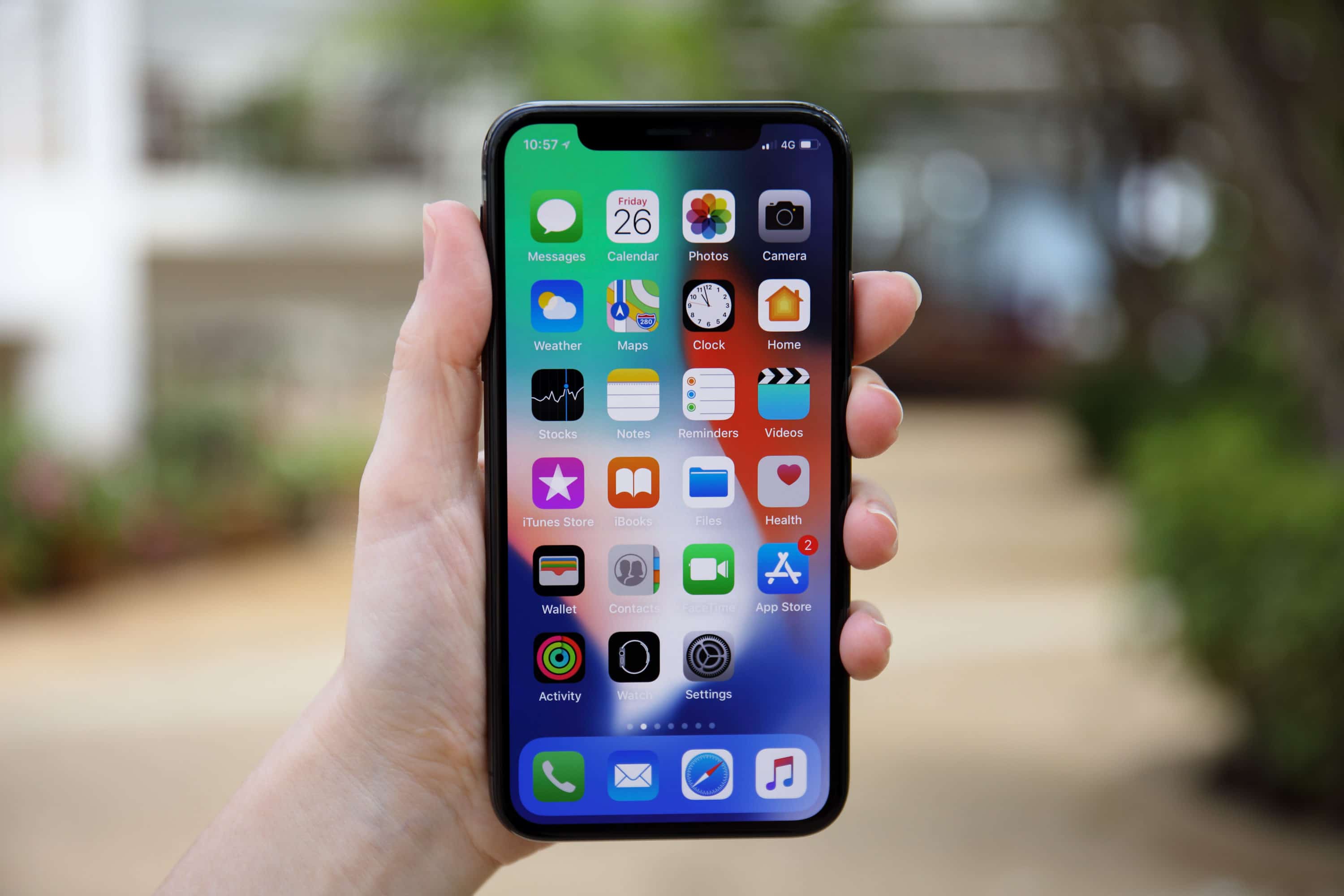
The huge success of the iPod and iPhone lines has made Apple one of the most influential companies in the high- tech world today, with its products widely admired by consumers and frequently imitated by competitors. However, Apple is wielding another kind of influence behind the scenes, with the company's Silicon-Valley-based product design activity in Cupertino, Calif. exerting a major impact on the global electronics supply chain.
Apple's product design activity in the first half of 2007 drove the largest increase in semiconductor spending among the Top-10 electronics OEMs in the United States, according to new data from iSuppli's Regional Design Influence Tool (RDIT).
iSuppli's RDIT is a tool that examines semiconductor spending attributable to electronic-equipment design activity in various countries worldwide.
"The design of electronic goods leads directly to equipment production, which in turn drives semiconductor purchasing," said Min-Sun Moon, analyst, OEM semiconductor spending and design influence for iSuppli.
"Companies that engage in design of electronic equipment, such as PCs, mobile phones and televisions, also are responsible for specifying the use of particular chips in the products being developed. Thus, these companies have a major influence on global semiconductor spending patterns."
The RDIT provides design influence value, expressed in U.S. dollars, for 182 OEMs representing 80 percent of the global market for 10 application segments, 30 semiconductor device categories and 41 countries. The data is broken down by country as well as by company.
Apple on the rise
Apple in the first half ranked No. 4 overall in terms of design influence on semiconductor spending in the United States, trailing Hewlett-Packard, Dell and Motorola. However, Apple achieved the fastest growth of design influence of any company in the nation.
Apple's design activity in the United States spurred US$3.8 billion worth of global semiconductor purchases in the first half of 2007, up 27 percent from US$3 billion in 2006.
Apple's surge in influence was mostly due to the release of its iPhone mobile handset. iSuppli forecasts Apple will ship more than 4.5 million iPhones globally in 2007, 13.5 million units in 2008 and 21.1 million units in 2009. iSuppli believes a second version of the iPhone will be released in the next 12 to 18 months.
The initial iPhone model plus the new version or versions of the product will cause Apple's design influence among electronic equipment and semiconductor spending to continue to grow into the second half of the year as well as into 2008, iSuppli predicts.
Designed in the USA
The United States led the world in terms of design influence in the first half, accounting for 34.4 percent of the worldwide total. Japan came in second with 21.8 percent in the first half of 2007.
Beyond Apple, Hewlett-Packard, Dell and Motorola, other leading design influencers in the United States in the first half included Cisco Systems, Kingston Technology and IBM.
Sphere of influence
Outside of the United States, the regions that are generating the most growth in design influence are those that have emerging economies combined with cost-effective pools of engineering talent.
These pools are being tapped into by OEMs, Original Design Manufacturers (ODMs), and independent design houses. Although these countries are relatively small in terms of absolute dollar influence, they are becoming increasingly important to chip companies for capturing new business. It is important to note that even though these countries are growing quickly in terms of influence, engineering labor shortages are looming in some of these countries.
In 2006, primarily due to the fast-growing TV market, Poland led all countries in terms of regional design influence growth, expanding by more than 90 percent. That number is predicted to decline in 2007 to only 50 percent growth. Because of this, Poland in 2007 is expected to be surpassed by a new leader: Russia.
Russia in 2006 achieved a design influence growth rate of more than 80 percent. Coming in third was India with a 70 percent growth rate in regional design influence in 2006. The fourth and fifth countries in 2006 were Portugal and Slovakia.
Posted to the site on 15th August 2007